

In yet another round of selective outrage, Meghan Markle has been complaining that certain royal rules made her feel “fake” and inauthentic during her time as a working royal — specifically the requirement to wear nude tights and stick to neutral, understated colors so she wouldn’t “stand out.” The Duchess, in a recent interview, described these protocols as artificial and claimed she now feels much more comfortable being her “true self.”
But the public reaction has been swift and brutal: many are calling out the glaring hypocrisy of a woman who eagerly accepted the titles, the lavish wedding, the security, the homes, and the global platform — only to later moan that the basic rules of the institution felt too “fake” for her authentic Hollywood soul.
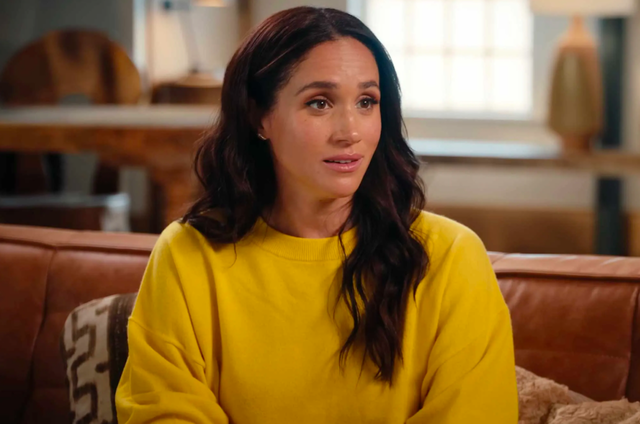
The Nude Tights Rule That “Wasn’t Her” According to Meghan, one of the most jarring rules was the expectation that she wear nude-colored tights with nearly every outfit. She told interviewer Emily Chang that she hadn’t worn tights since the 1980s and found the requirement “a bit fake.” She framed it as an example of having to suppress her true self to fit into the royal mold.
Critics were quick to point out the absurdity. In the real world, most professional women wear tights or stockings as part of a polished, appropriate look — especially in formal or public-facing roles. Many commenters noted that this wasn’t some cruel, identity-crushing rule; it was basic professional dress code. One viral comment summed it up: “I wear tights or stockings to work. That doesn’t make me fake. It makes me look professional. Meghan is just a complainer.”
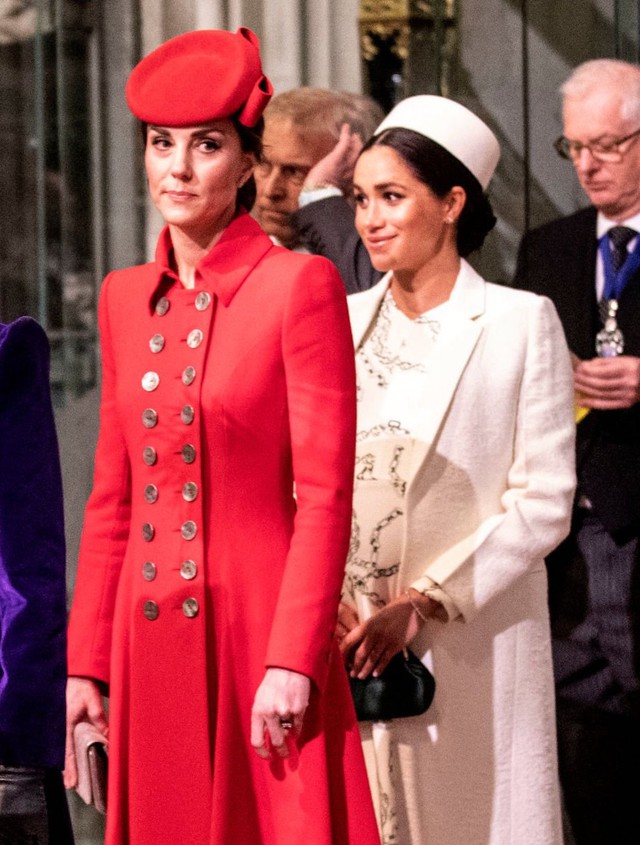
The “Don’t Stand Out” Color Rule Meghan also revealed that she deliberately avoided bright, colorful outfits and stuck to neutral tones like camel, beige, and white. She explained that she understood the unspoken rule of not wearing the same colors as the Queen or other senior royals (a clear jab at Kate Middleton and Camilla) and therefore chose muted shades to “blend in” and avoid drawing attention to herself.
Again, the backlash was fierce. Royal watchers pointed out that this is standard protocol in many institutions and families with strong public images — from political families to corporate environments. Choosing to wear neutral tones so as not to upstage senior members isn’t “fake”; it’s respectful and strategic. Meghan’s decision to frame it as some kind of soul-crushing suppression came across as entitled and tone-deaf.
The Hypocrisy of the “Authentic” Duchess The real sting in Meghan’s comments lies in the hypocrisy. She has spent years demanding privacy, complaining about media intrusion, and positioning herself as someone who just wanted to be “real.” Yet she has no problem leveraging her royal title, her connection to the British monarchy, and the global fascination with her story to sell overpriced candles, honey, and now even “luxury” matchboxes.
If she truly found the royal rules so fake and restrictive, why did she fight so hard to keep the titles for herself and her children? Why does she continue to trade on the “Duchess of Sussex” brand in every interview and product launch? The woman who claims to hate “fakeness” seems perfectly happy to use the very system she rejected when it benefits her commercially.
The Public Is Over It Social media reaction has been overwhelmingly negative. Many British commenters expressed anger that Meghan continues to portray herself as a victim of an oppressive system while enjoying the massive benefits that system provided. Others noted that her complaints about tights and color palettes sound more like the grievances of a spoiled celebrity than a serious critique of institutional rules.
One particularly pointed comment read: “If she wanted to be herself so badly, why did she keep the Duchess title? The fakeness is everything she does.”
A Pattern of Selective Outrage This latest round of complaints fits a clear pattern. Meghan has repeatedly criticized aspects of royal life — from the “never complain, never explain” culture to dress codes and public expectations — while simultaneously building a post-royal career that relies heavily on her royal connections and the public’s fascination with her story. She wants the prestige and platform without the discipline and restraint the role requires.
In doing so, she has positioned herself as both insider and outsider, victim and victor, authentic rebel and luxury lifestyle guru. The contradictions are becoming harder to ignore.
The Final Irony Meghan Markle may have genuinely felt constrained by certain royal protocols. But by publicly framing basic professional standards — like wearing tights and choosing appropriate colors — as soul-crushing “fakeness,” she has revealed more about her own entitlement than about any genuine oppression.
The royal family has rules for a reason: to maintain dignity, unity, and public respect in an institution that exists under constant scrutiny. Meghan decided those rules were beneath her. She left, built her own brand, and now continues to complain about the very system that made her a global household name.
For many, the real “fakeness” isn’t in the royal tights or neutral color palettes. It’s in the selective outrage of a woman who rejected the responsibilities of royalty while continuing to monetize its privileges at every opportunity.
The Duchess who wanted to be “real” has instead become one of the most carefully curated and commercially packaged figures in modern celebrity culture. And the public is no longer buying the narrative.


