

A new bill introduced in the House of Commons seeks to amend the application of the Public Order Act 1986, aiming to prevent its use as a de facto blasphemy law concerning Islam. Conservative MP Nick Timothy presented the legislation under the ten-minute rule motion, arguing that current policing and prosecution practices have effectively reinstated blasphemy laws in England and Wales, decades after they were formally abolished.
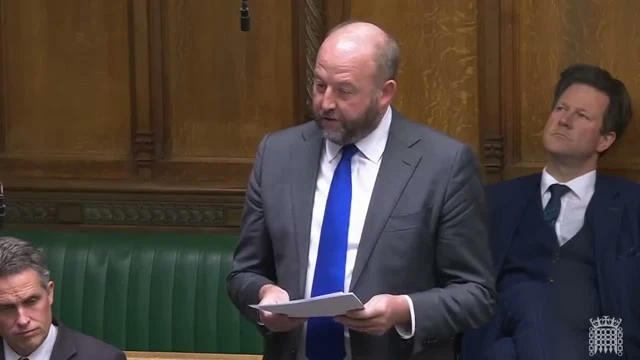 Mr. Timothy stated that he does not believe Muhammad was a prophet and does not accept the moral codes set out by Islam, clarifying that he is a Christian who believes nobody should be prosecuted for criticizing or mocking religious figures, including Jesus. He noted that England and Wales abolished blasphemy laws in 2008, and Scotland followed in 2021, with the last blasphemy trial occurring in 1977 and no public prosecution for blasphemy brought by the state in over a century.
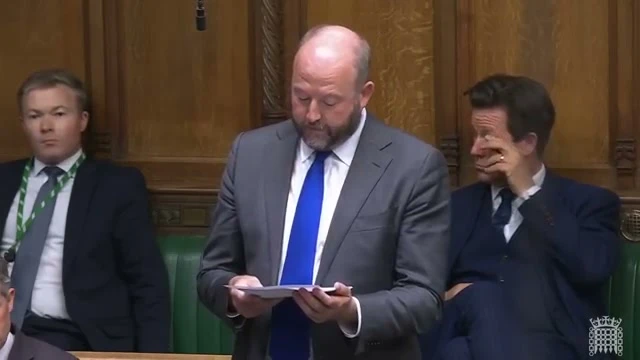
Mr. Timothy referenced the cases of Sir Salman Rashdi and a teacher still in hiding with his family as examples of the threat of violence that he said lies behind these new blasphemy laws. He noted that there are at least 14 Muslim-majority countries where the penalty for blasphemy or apostasy is death, and that the United Kingdom has significant diaspora populations from many of those countries. He stated that with the number of people who came from those countries growing and the increasing assertiveness of organized political Islam in Britain, the problem appears likely to become more severe.
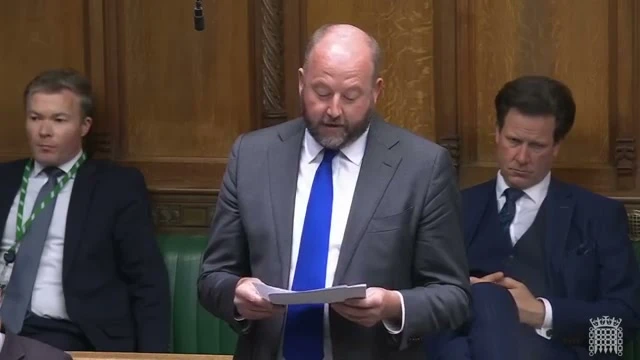
The bill, as introduced by Mr. Timothy, would restore free speech as it applies to religion in England and Wales. It would stop police, prosecutors, and judges from creating a blasphemy law from legislation that was never passed for that purpose. Mr. Timothy said the bill would send a message that the country will not tolerate intimidation, violence, or censorship, and that there will be no special treatment for Islam. The motion for leave to bring in the bill was approved, with the Speaker confirming the eyes have it.
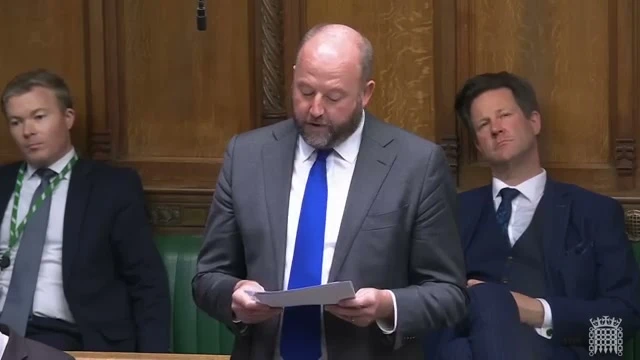 The following members were named as sponsors of the bill: John Cooper, Luke Evans, Richard Holden, Robert Genrich, Rert Lowe, Rebecca Paul, Jack Ranken, Alex Shelbrook, Bradley Thomas, Tom Tugenhard, Gavin Williamson, and Mr. Timothy himself.
Keir Starmer Left Humiliated by MP’s Powerful Question in Parliament
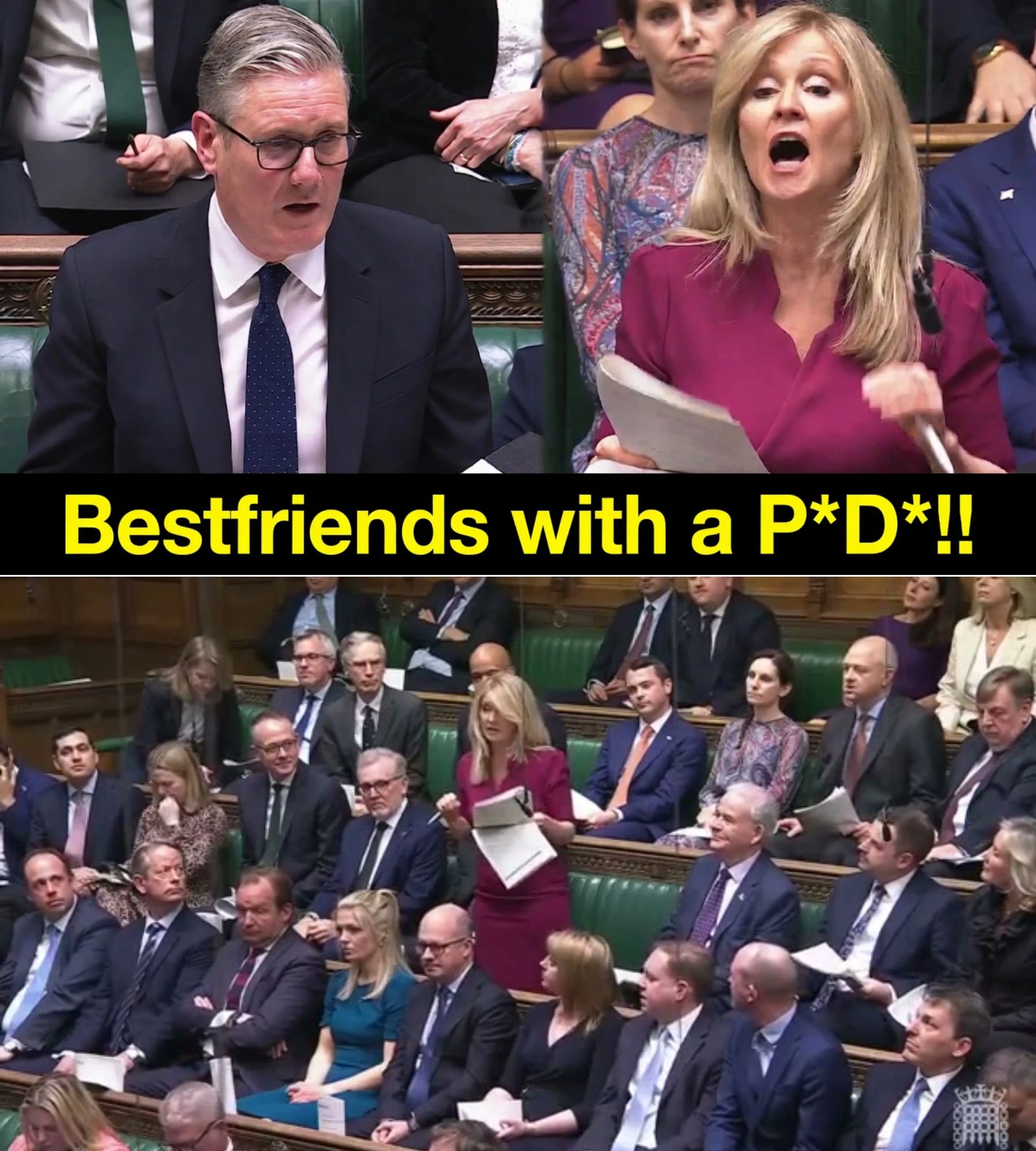
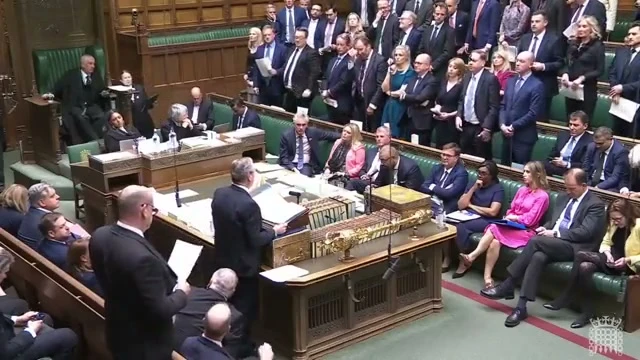
Prime Minister Keir Starmer faced pointed questioning in Parliament today from an MP who challenged him over the appointment of Peter Mandelson, citing warnings that had been provided before the decision was made.
The exchange occurred during a session in the House of Commons, where the MP, identified as Mr. McB., addressed the Prime Minister directly. The MP stated that the Prime Minister had earlier claimed many members across the House would find certain facts incredible, and the MP confirmed that they did indeed find them so.
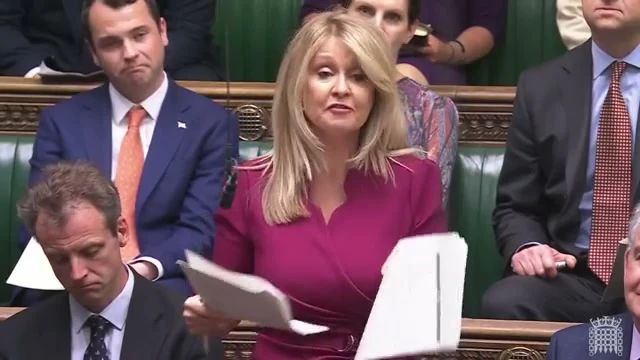
The MP went on to describe what he characterized as the Prime Minister’s “staggering lack of curiosity” and his inability to heed warnings regarding his “good friend Peter Mandlesson.” According to the MP, the Cabinet Office had provided the Prime Minister with a due diligence document that listed several reasons why Peter Mlesson should not be appointed.
Those reasons, as outlined by the MP, included that Peter Mlesson had been fired twice from government, had business dealings in Russia and China, and had maintained a relationship with Epstein following Epstein’s imprisonment for pedophilia. The MP pressed the Prime Minister, asking why, despite knowing this information, he appointed Peter Mlesson anyway.
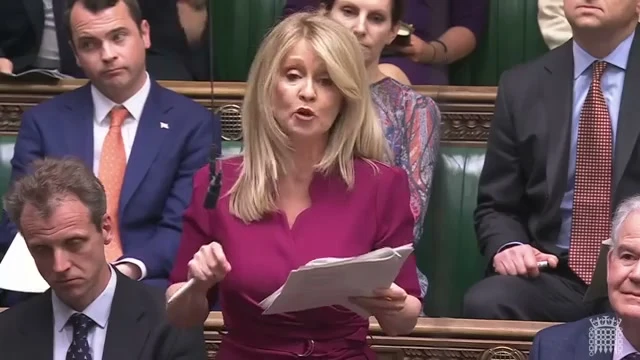
In his response, Prime Minister Starmer acknowledged the situation, stating that Peter Manson was asked various questions following the due diligence exercise and did not tell the truth in those answers. The Prime Minister then conceded that the decision to appoint him was an error.
“It was my error, and I’ve apologized for it,” Starmer said during the parliamentary exchange, taking direct responsibility for the appointment despite the warnings detailed in the due diligence document.
The MP’s question and the Prime Minister’s response highlighted a significant political development concerning the vetting and appointment process within the government. The specific position for which Peter Mandelson was considered and appointed remains a matter of the parliamentary record.
The exchange has drawn attention to the procedures followed by the government in evaluating candidates for public roles, particularly when potential risks are flagged by official due diligence reports from the Cabinet Office.
Prime Minister Starmer’s admission that the appointment was an error and his apology mark a clear acknowledgment of the controversy. The full implications of the due diligence findings and the subsequent appointment process continue to be subjects of discussion in Parliament.


